

In the actual batching process of Melamine tableware production, there is no single raw material called "guang fen granular base material." Industry practice shows that this expression actually conflates two functionally distinct materials—"glazing powder" (guang fen) and "melamine granular base material"—which play complementary but independent roles in the tableware moulding process.
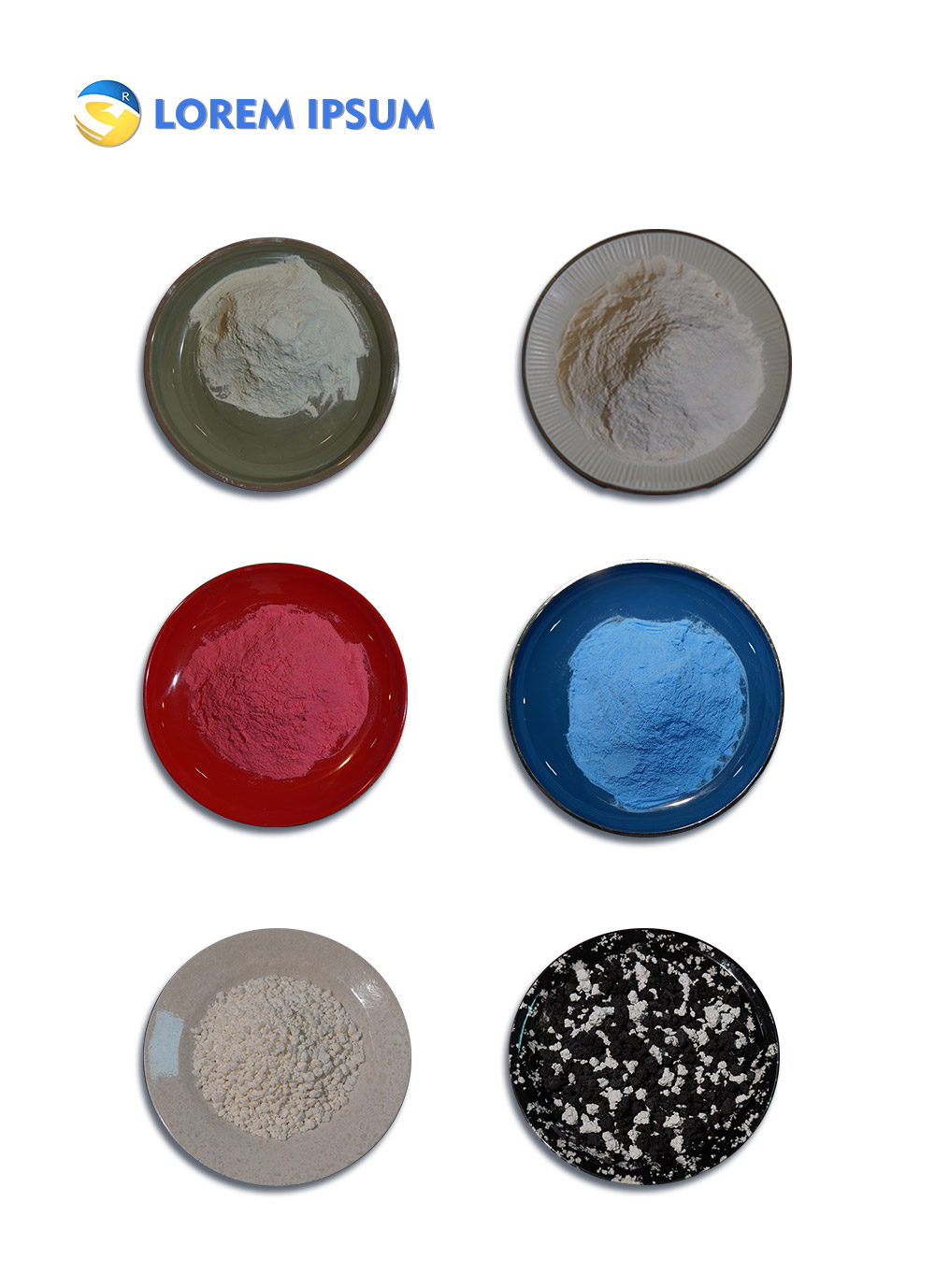
Glazing Powder: The "Final Layer" for Surface Brightening
Glazing powder, also known as melamine glazing resin or gloss powder, is a white powder produced by reacting melamine with formaldehyde to form a resin, which is then dried and ball-milled. Because it contains no pulp filler, it is commonly called "fine powder" (精粉). In the compression moulding of melamine tableware, it plays a surface-treatment role: after the base article is pressed, glazing powder is evenly sprinkled onto the product surface and hot-pressed again to cure, forming a transparent, glossy protective layer. This layer gives the tableware a porcelain-like gloss while enhancing surface resistance to weak acids and bases and to oil stains. Industry data show that glazing powder accounts for about 5% of the material used in tableware products.
In terms of grade matching, LG220 glazing powder is specifically used for glazing A5-material melamine tableware, while LG110 corresponds to A1 and A3 material products. This matching relationship directly affects the surface quality of the final product.
Granular Base Material: The Main Moulding Material
"Base material" (基料) or "melamine granules," by contrast, refers to another type of material—the granular form of melamine moulding compound. Melamine powder (melamine-formaldehyde moulding compound) itself can be supplied in powder or granular form, and the granular product is suitable for compression moulding. In the initial stage of tableware production, the weighed melamine powder or granular base material is placed into a preheated mould and hot-pressed at about 180°C to form the "base article" semi-finished tableware. This is the main material that constitutes the body of the tableware, not a surface-treatment agent.
Practical Distinction in Application
In the complete production flow of melamine tableware, the points at which the two materials are used are clearly distinguishable: melamine powder/granular base material is first loaded into the mould and hot-pressed to form the tableware body; subsequently, in the decal application or final setting stage, glazing powder is sprinkled onto the surface to complete brightening and protection. Combining "guang fen" and "base material" into "guang fen granular base material" lacks operability in procurement and batching—when surface gloss is required, a glazing powder grade should be specified; when the main moulding material is required, the powder or granular form of melamine moulding compound should be selected.
For melamine tableware manufacturers, clarifying this distinction is far more conducive to accurate batching and stable product quality than using a spliced colloquial term
Mr. Yang 18970796800,
Mr. Huang 17705990233,
Email: 5516187@163.com
Address: No. 10 Gongye Avenue, Industrial Park, Xinfeng County, Ganzhou City


Copyright © 2022 Ganzhou Dongxin Chemical Raw Material Co., Ltd
Sitemap
This website uses cookies to ensure you get the best experience on our website.
 中文


 WhatsApp
 Phone
 E-mail
 Message
Comment
(0)